Acrylic Roof Coating
A roof that drains within a day can use acrylic at a lower cost.
Acrylic coating
Silicone Roof Coating
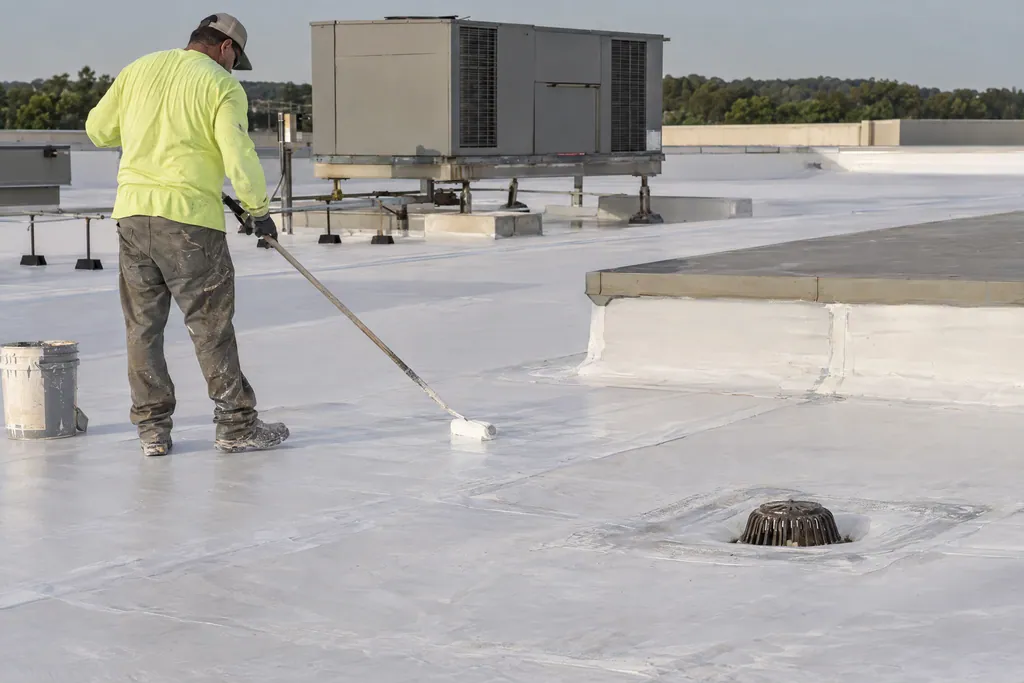
As a Glendale silicone roof coating contractor, we restore flat roofs that hold water, after drains, seams, and wet areas are repaired.
Is This Roof A Fit?
A Glendale silicone roof coating contractor looks hardest at drainage and moisture. These lists show where silicone fits and where it waits.
Roof Conditions
Silicone goes on flat roofs with known weak points. These get close attention at the inspection.
Your Options
Silicone comes in more than one build. Your roof surface and how much water sits on it decide which.
| Option | Goes Over | Use When |
|---|---|---|
| Single-pass high-solids silicone | Clean TPO, PVC, foam | The roof is tight and mostly dry |
| Two-coat silicone with primer | Mod bit, old acrylic | Bleed or adhesion needs extra care |
| Silicone with seam fabric | Any listed membrane | Seams and flashings show movement |
| Silicone over new foam | Fresh spray foam | Low spots need tapered fill |
| Silicone recoat | An earlier silicone roof | The old silicone is worn but stuck |
Why Coat
Silicone earns its place on roofs that keep seeing water after storms.
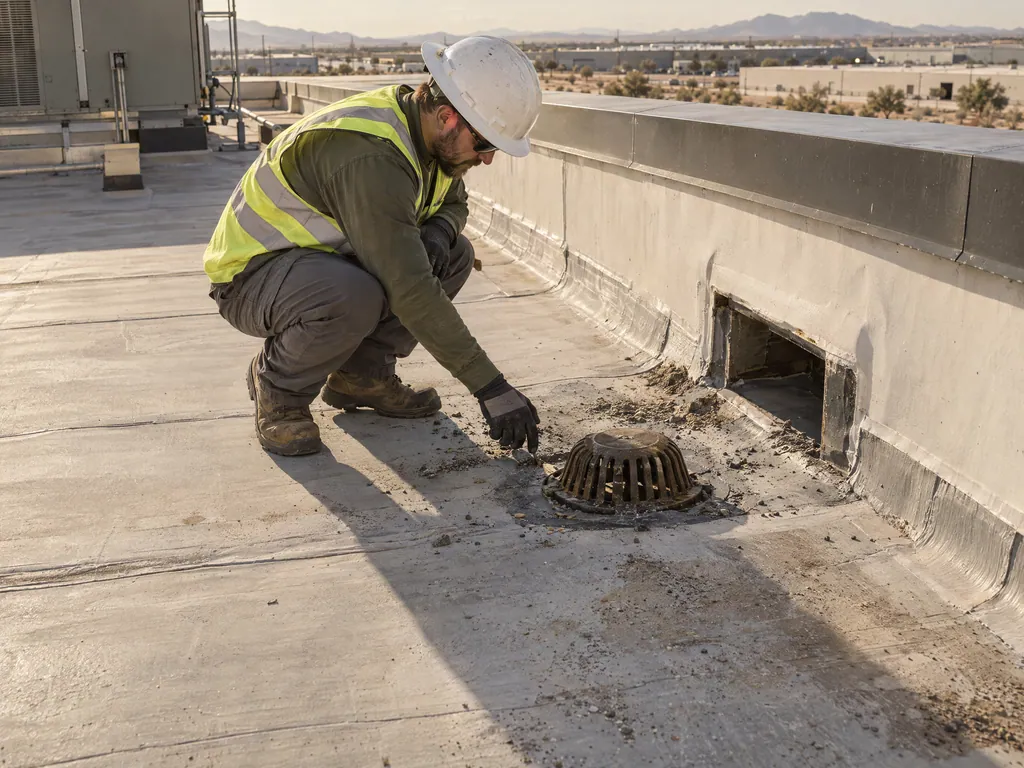
Puddles near drains stop wearing through the coating each storm season. Drains get cleared so water still leaves the roof.
No tear-off, and the existing roof stays as a base for the coating. Wet insulation is replaced before coating, never covered.
High-solids products often go on in one or two passes. Fewer days on the roof means less disruption below.
Later maintenance is cleaning and more silicone over the same surface. No primer change is needed between recoats.
A white surface reflects sun off the deck above the work area. Rinsing during checkups keeps it bright.
Call and tell us where it collects. Slow drains are often a fast fix that should come before coating.
How It Goes
Silicone needs a clean, dry surface to grip. Most of the work happens before the pail is opened.
Moisture readings, cores where needed, and a drain check show whether the roof can be coated. Results decide between coating and replacement.
Soaked insulation is cut out and rebuilt, and blisters are opened and patched. New insulation matches the thickness around it.
The surface is pressure washed and left to dry fully before primer or coating. Drying time depends on sun and air temperature.
Fabric or tape and a detail coat go on seams, curbs, and drains first. Drains get a detail coat inside the clamping ring.
Silicone goes on at the listed thickness, checked with a wet-film gauge. Readings are logged by area for your records.
Related Services
Some flat roofs fit another system once drainage and surface are checked.
A roof that drains within a day can use acrylic at a lower cost.
Acrylic coatingDeep low spots can be built up with tapered foam, then topped with silicone.
Spray foam roofingSteel sections on the same building need fastener and rust work first.
Metal coatingQuestions
Standing water is where silicone holds up better than most coatings. Drains still get cleared first, because coating does not change the slope, and water that never leaves collects dirt.
Yes, once the TPO is cleaned well and primed where the product calls for it. Welded seams get checked for splits, and we confirm the coating is approved for TPO.
Plan on silicone for future recoats. Most other coatings grip poorly on silicone, so the recoat path is silicone after a thorough cleaning.
Moisture in the air cures it, and warm days help. Most products skin over within hours. Rain soon after application is the risk, so storm forecasts get watched closely.
It can be slippery when wet or dusty. Walk pads or a granule broadcast on service paths give safe footing and protect the coating where traffic is heaviest.
Dust does stick to silicone more than to acrylic. A rinse during routine roof checks brings back much of the white surface without harming the coating.
Silicone projects fall within our $2.50 to $4 per square foot ballpark. Wet-area replacement, seam fabric, and primer move a roof higher in that range.
Each manufacturer lists a dry thickness, and that number sets the gallons per square. Wet-film readings during application confirm the finished coat matches the sheet across the field.
Tell us where water collects and roughly how big the roof is.
Leave a name and number, or call (623) 310-0163 now.